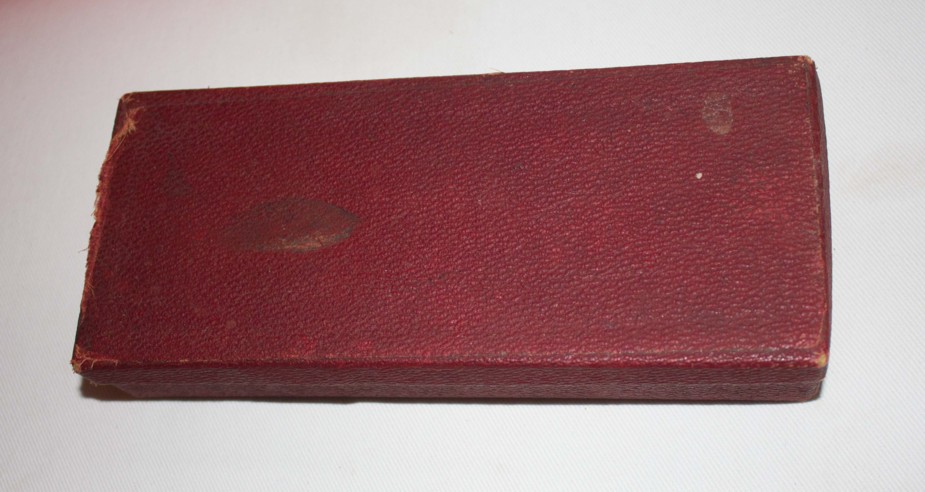
Smith & Wesson
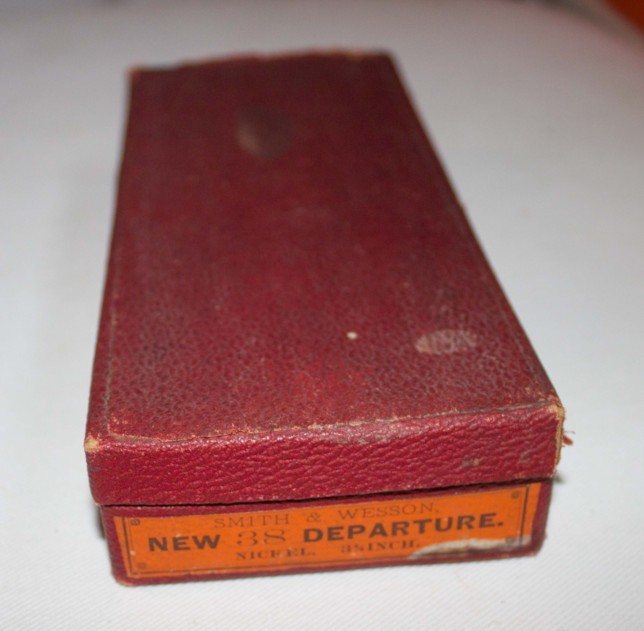
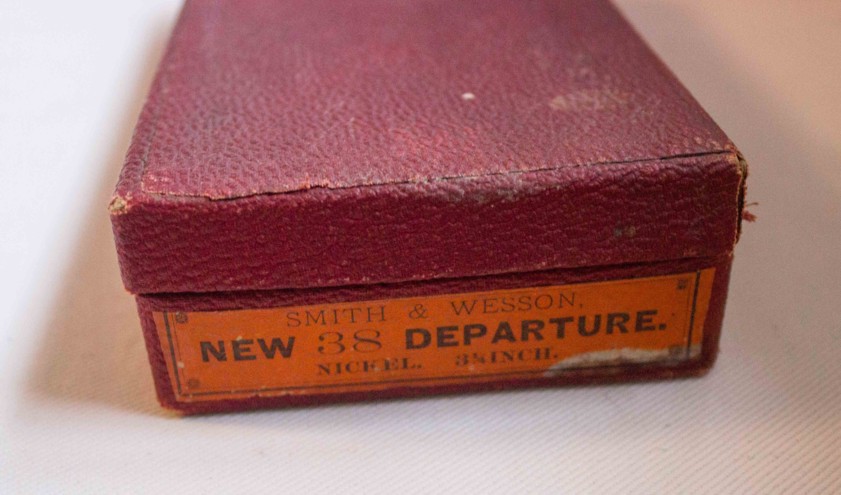
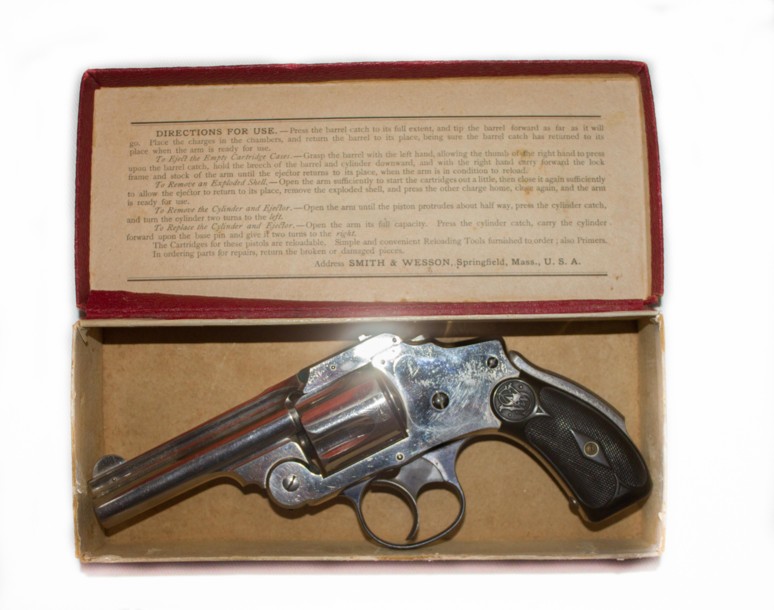
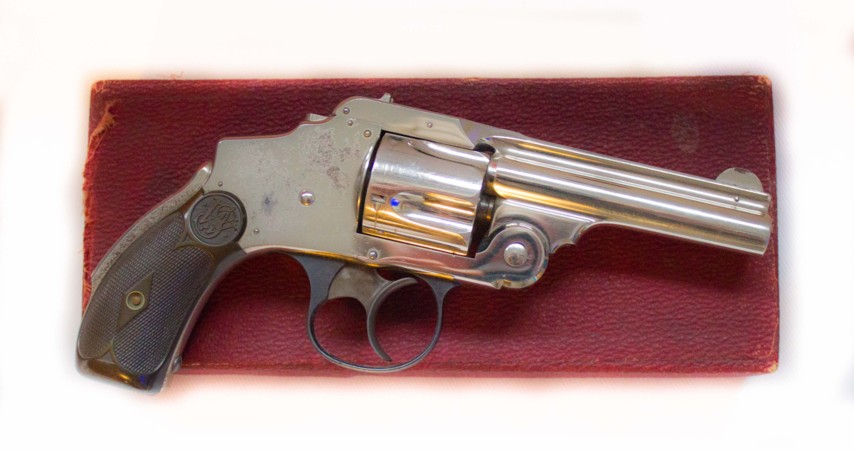
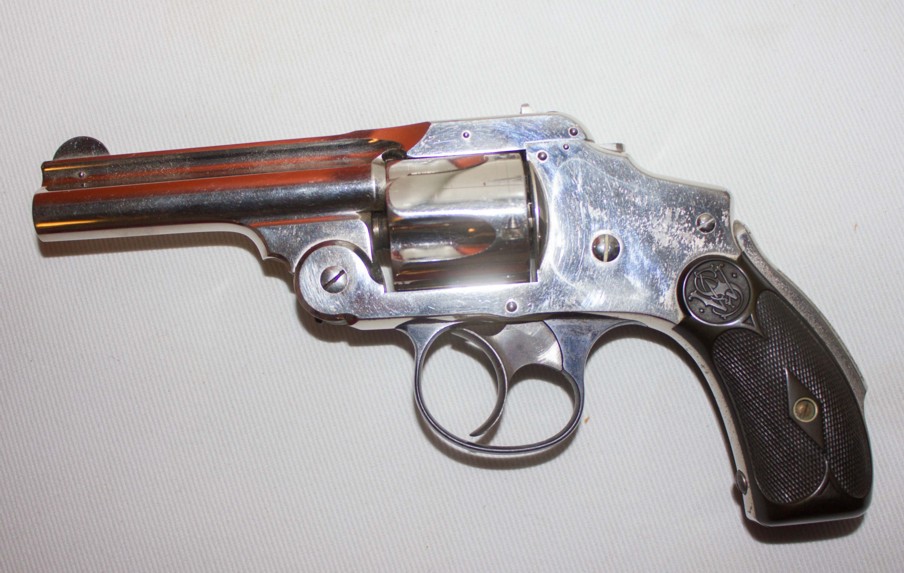
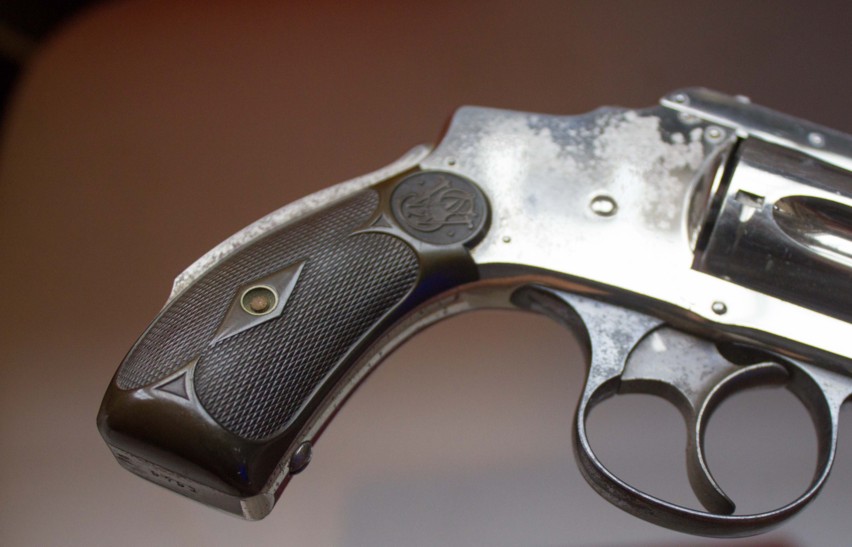
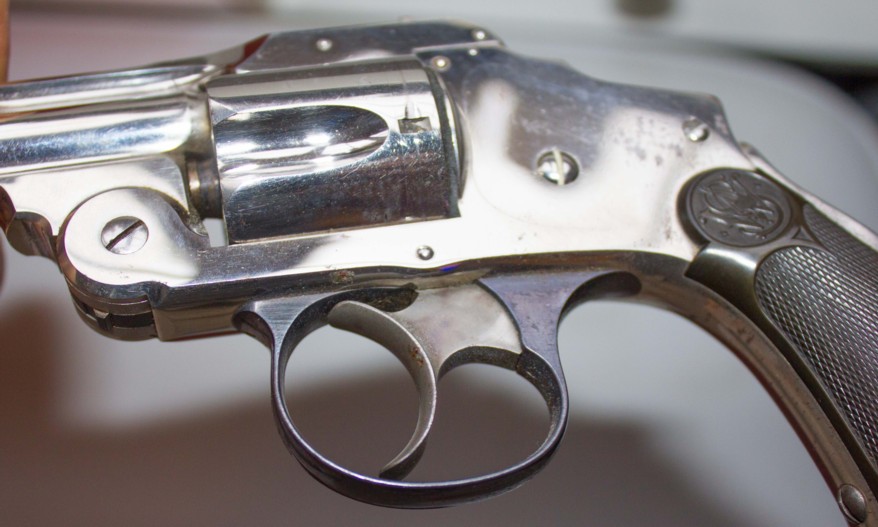
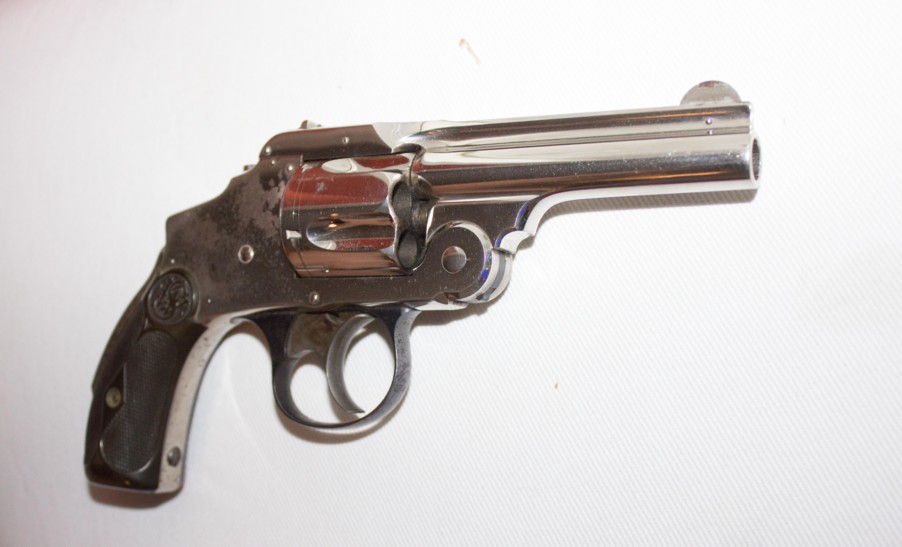
This is a "Safety DA Revolver" in .38 caliber (it's
marked on the box), but it also exists in .32... with five variations as well.
This is the second model. They are all five-shot revolvers.
These revolvers are also called "lemon squeeze" by
American collectors because of the grip safety, which requires squeezing the
trigger in the same way as squeezing a lemon in your hand to get the juice.
Safety 1st model: manufactured in 1887,
5,125 units produced, standard nickel or blue finish, checkered black hard
rubber grips. The barrel opening lever is called a "Z-bar" and is housed in the
frame above the middle of the cylinder.
Safety 2nd model: manufactured from 1887
to 1890, 37,350 units produced, identical to the previous model but with a
different barrel opening lever located at the rear of the frame. Approximately
one hundred of the blue-finished 41,333 to 41,470 series were purchased by the
government in 1890 and are marked "US" on the left side of the barrel.
Safety 3rd model: manufactured between
1890 and 1898, with approximately 73,500 units produced, numbered from 42,484 to
116,002. Here again, the opening button differs. It was improved, and a
transverse pin was also added to the frame to better secure the trigger guard.
Safety 4th model: manufactured between
1898 and 1907, with approximately 104,000 units produced, numbered from 116,003
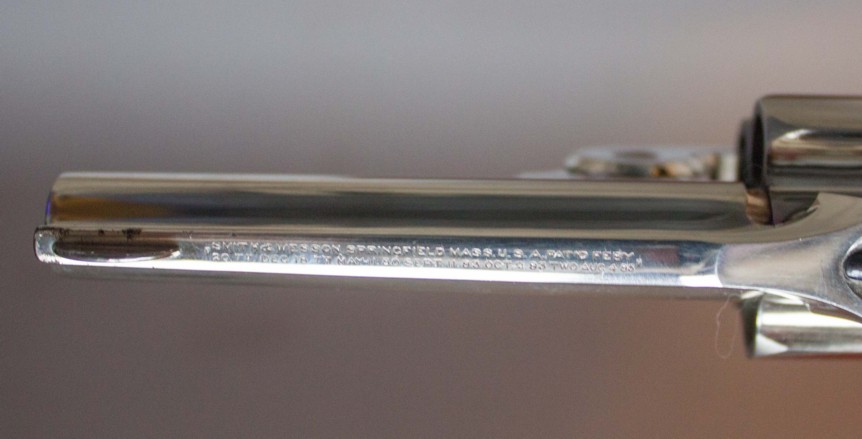
to 220,000. This model adopted the classic T-shaped opening latch and added "38
S&W CTG" on the left side of the barrel.
Safety 5th model: manufactured from 1907
to 1940, with 41,500 numbered units produced, from 220,000 to 261,493 (including
some mixed with the previous model between serial numbers 216,500 and 222,310).
The only differences are the integral front sight (the others have pinned
sights) and the absence of patent dates in the markings on the top of the
barrel.
Marcel
Smith & Wesson
First model S&W Safety Hammerless.
This revolver is made in 1887 total of 5125 revolvers.
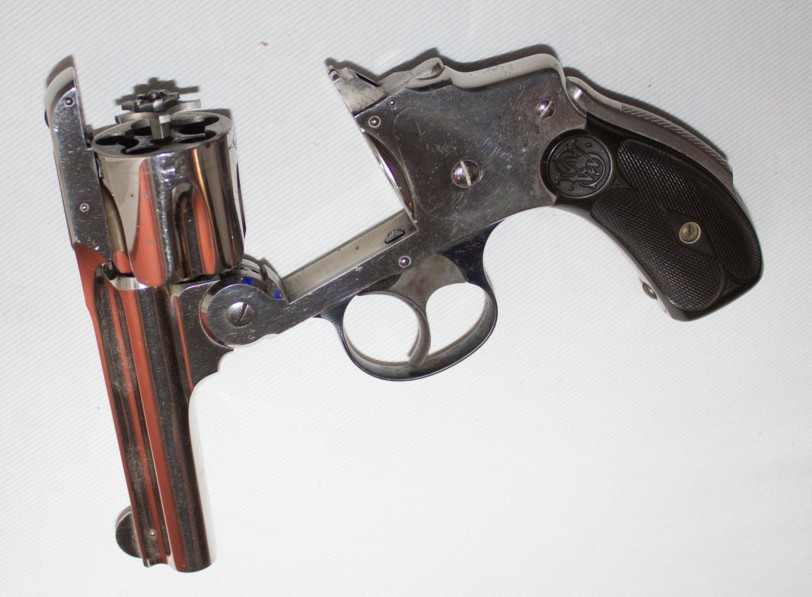
It has a so called Z-bar. That’s the latch for opening the revolver.
When you press it when the revolver is open you can remove the cylinder for cleaning.
The caliber is .38 S&W.
The pearl handles are factory.
Henk


Smith & Wesson “Lemon Squeezer” .38 Safety Hammerless model
Based on the shape of the barrel latch, what we have here is a .38 Safety Hammerless model, a.k.a "Lemon Squeezer". Smith&Wesson issued 5 different variants of the .38 and 3 of the .32 caliber. There are only small variations, though.
The Safety Hammerless revolvers were the last of the topbreak series and come immediately before the Hand Ejector model with swing-out cylinder.
Production started in 1886 and the very last of these revolvers left the factory in 1940, long after production was resumed. The 3rd Model was introduced in 1890 at approx. serial# 42484 and was produced until 1898 (highest known serial# is 116002).
Your revolver is interesting because it is equipped with the quite scarce 6" barrel. Most of the production feature shorter barrels, the 2" one being nicknamed "Bicycle Model".
Technically, those revolvers were quite advanced because they included an "inertia-type" firing pin, developed by Joe Wesson, son of Daniel B. This type of firing pin was mounted in the frame and spring-loaded. It could only hit the primer upon receiving a sufficient blow from the hammer, which transferred the momentum from the hammer to the firing pin itself. When the concealed hammer was at rest against the firing pin, the pin would not protrude through the frame.
I don't know who invented the system at first, but it wasn't Joe Wesson anyway. The "inertia-type" firing pins were at the same period already in use in the Belgian Leclercq shotguns, and probably in numerous other weapons.
Marcel


Smith&Wesson Safety Hammerless “Lemon Squeeze”
This revolver is a .38 caliber double-action Smith&Wesson Safety Hammerless, issued between 1898 and 1907 and also known as the "lemon squeeze" due to the safety catch protruding at the rear of the grip frame. Collectors have distingue 5 models in this serial, all with minor variations. The conventional top-break barrel latch identifies it as the Fourth Model, made from 1898 to 1907. The serial numbers in this popular model started at 116.003 and ended with serial# 220.000. It was available in blue or nickel finish and was offered in a wide range of barrel lengths, form 2 to 6 inch.
Interesting and relatively inexpensive model. Still easily available today in perfect condition and in original cardboard box.
The company also issued the same model in the .32 caliber.
Marcel


