Colt
Paterson
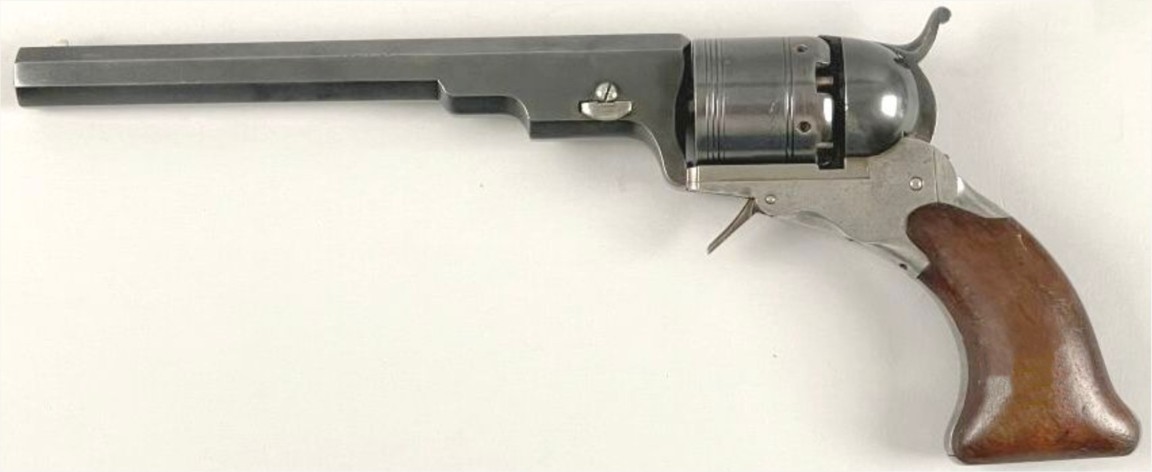
Colt Paterson Revolver
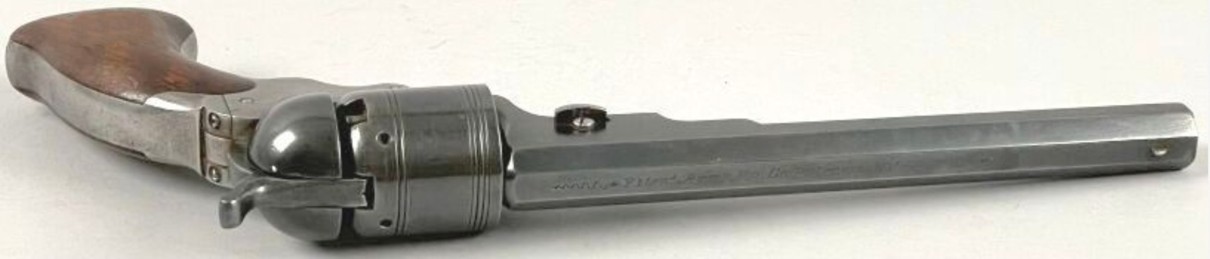
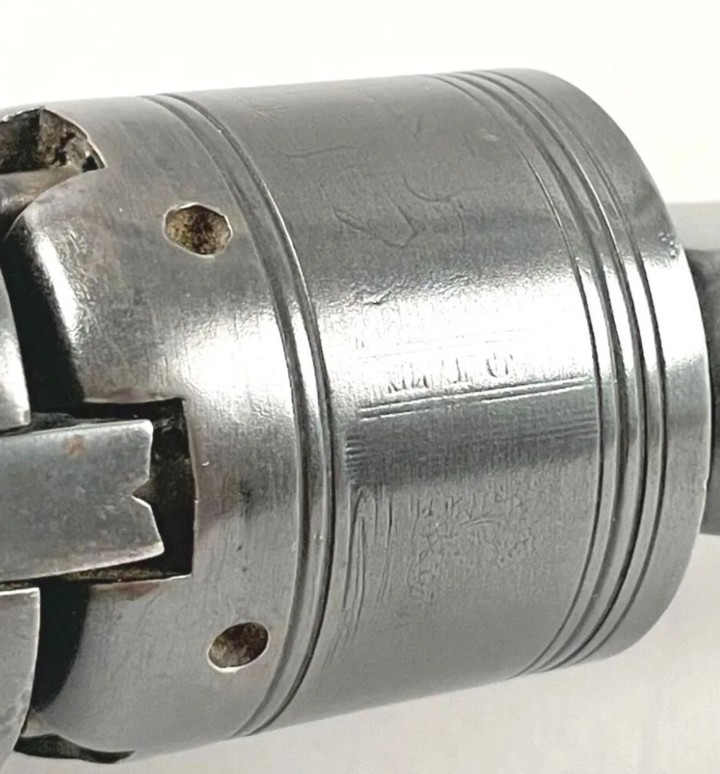
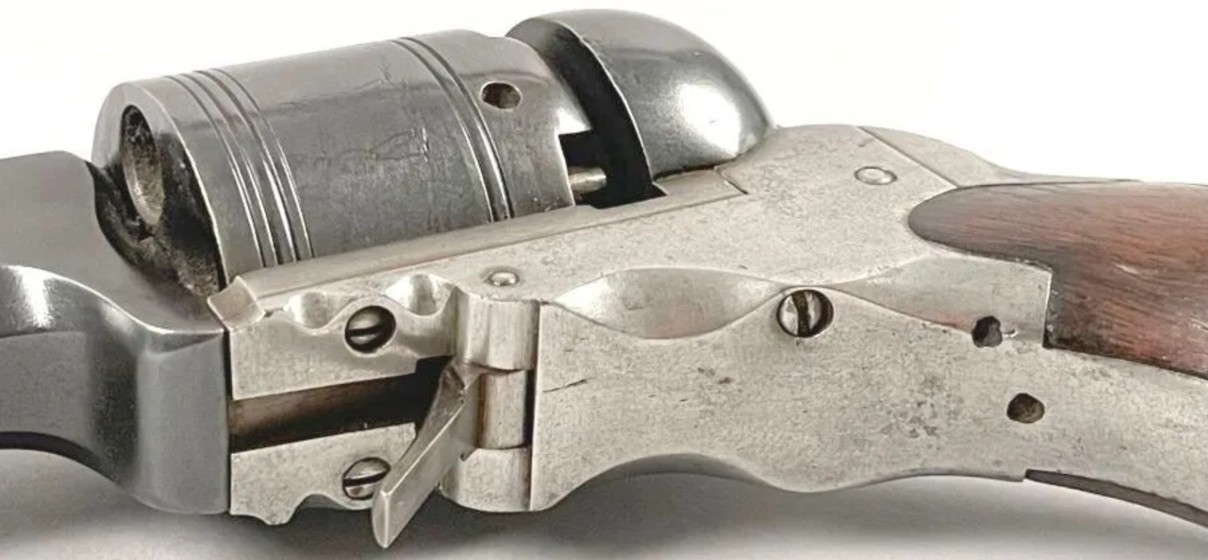
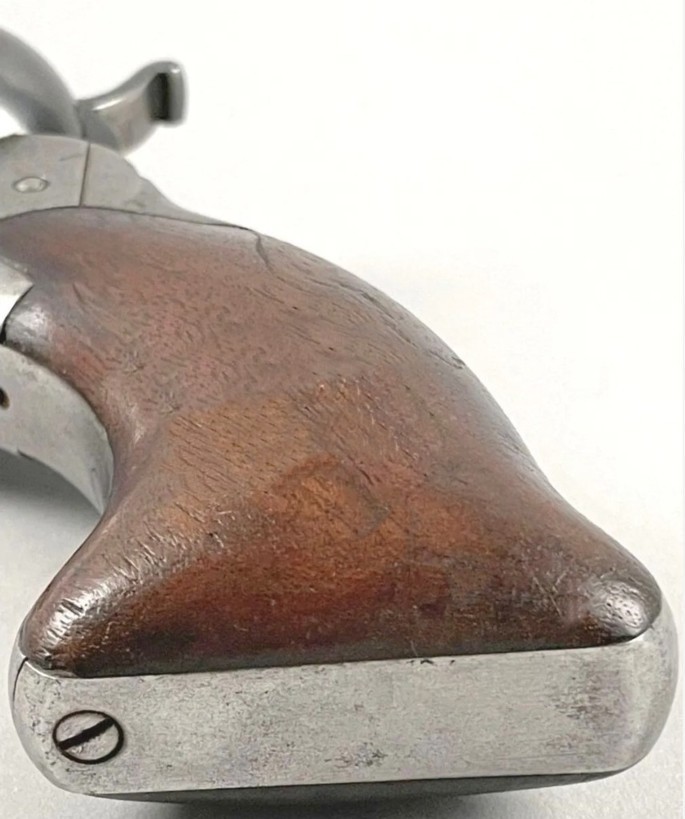
Colt Paterson Model 1836 revolver.
Re-blued, with markings "Patent Arm. S. Mg. Co. Paterson
NJ Colt's P.T."
Five-shot cylinder, .36 caliber.
Serial number under the grip band and the wedge. (Deleted
at the owner's request).
Barrel length: 7.5 inches (190 mm). Overall length: 312
mm. Manufactured from 1837 to 1841, approximately 6,000 units produced.

Colt
Paterson
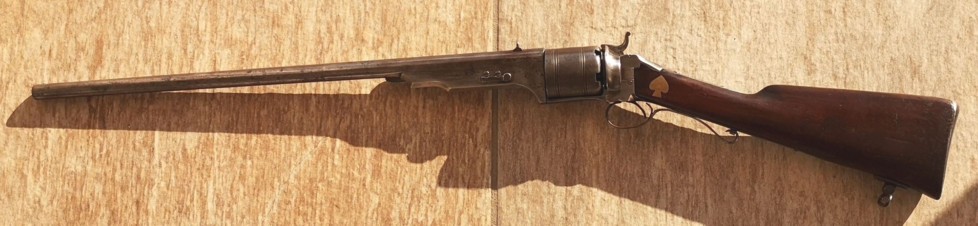
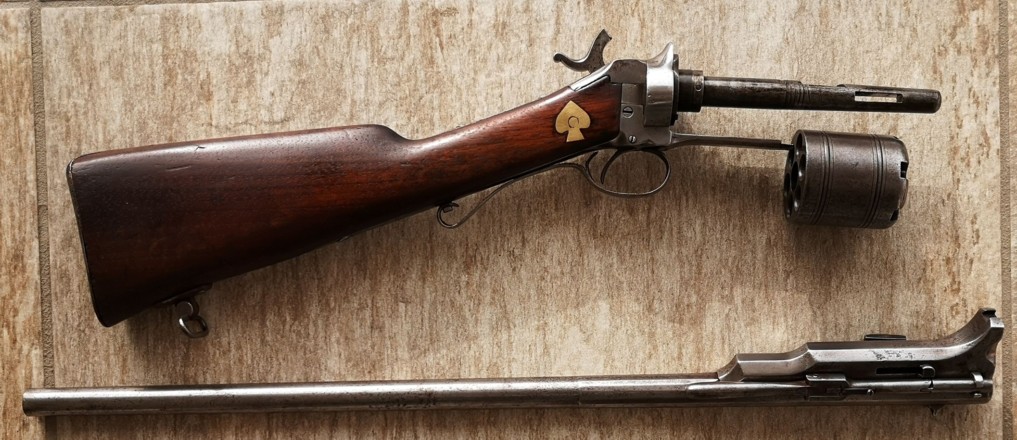
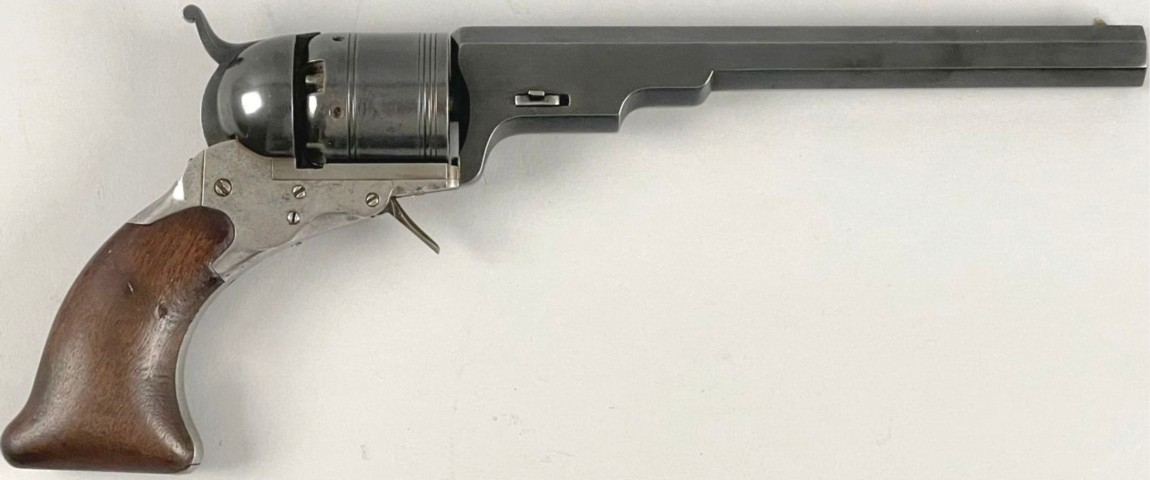
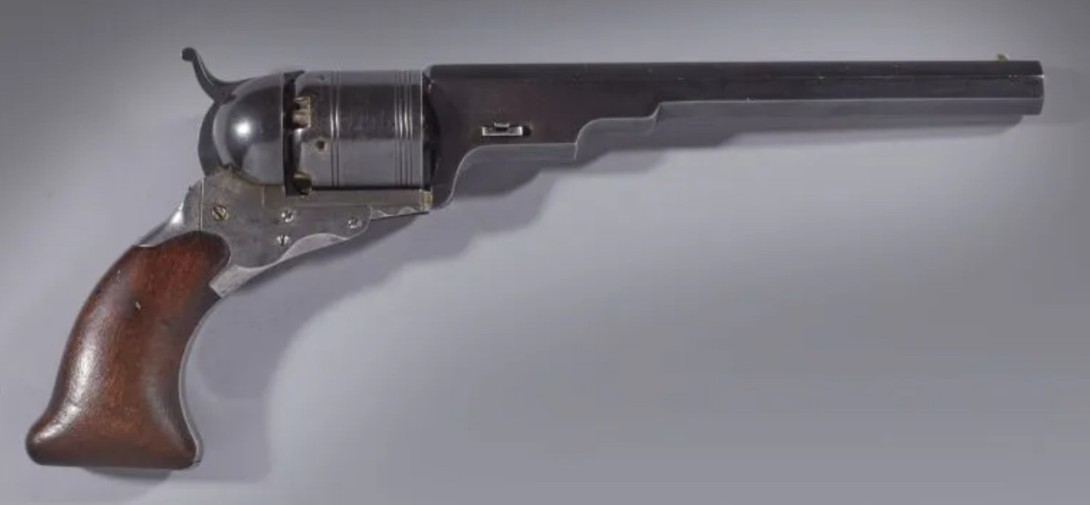
Paterson Model 1839 Carbine, 24’ Barrel
Colt Paterson Carbine from the early years. Probably in
.36 caliber.
Manufactured by the Colt Company of Paterson, New Jersey
in the years 1835-1840 in its first factory.
There are several models and calibers, but not many.
According to some sources there are "questionable"
examples of Paterson revolvers, but not carbines.
These weapons have remarkable rifling.
I do not believe the army even tried them.
The price of €25,000 is reasonable. And it is cheaper
than a Henry, which is younger and costs at least twice as much. Colt did not
manufacture maces in Paterson. He went bankrupt in 1842 and did not start again
until 1847, in Hartford, under the influence of Captain Samuel Walker. And he
couldn't even find a single copy of his revolvers!
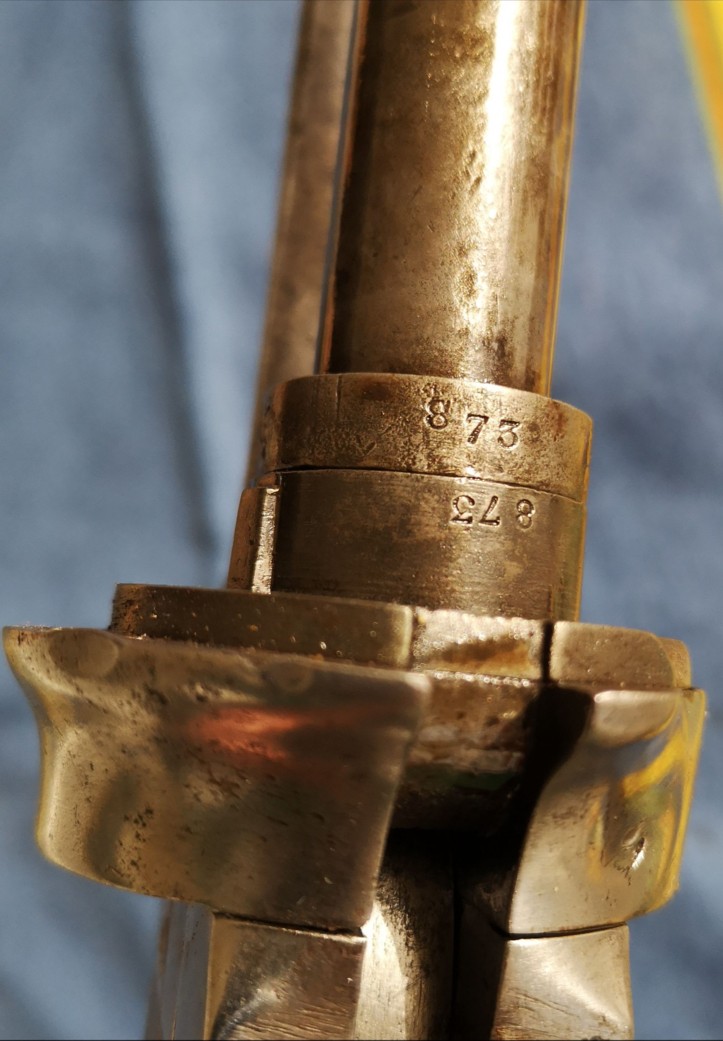
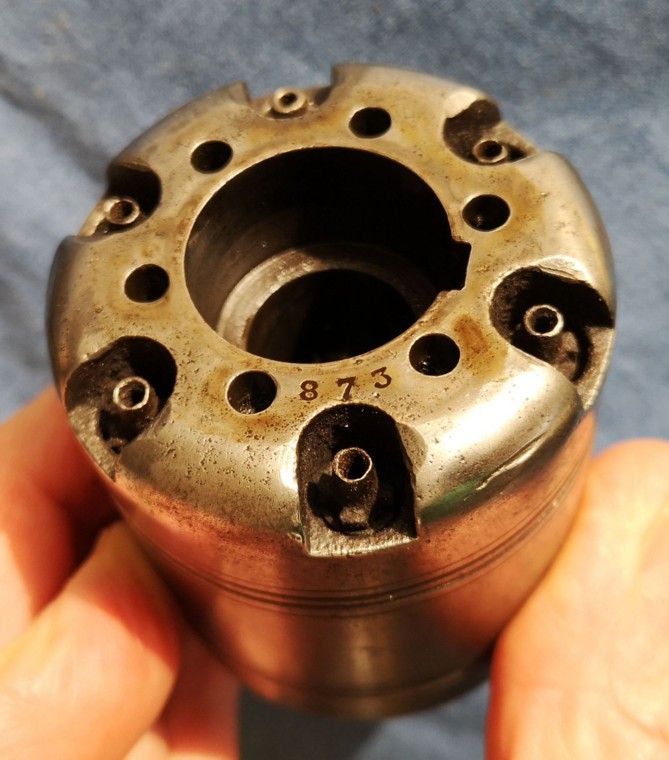
I see the number 873, which must be the serial number.
The rear face of the cylinder is rounded, which indicates a late production, on
the first ones the cylinder was cut straight. The dating 1839 therefore seems
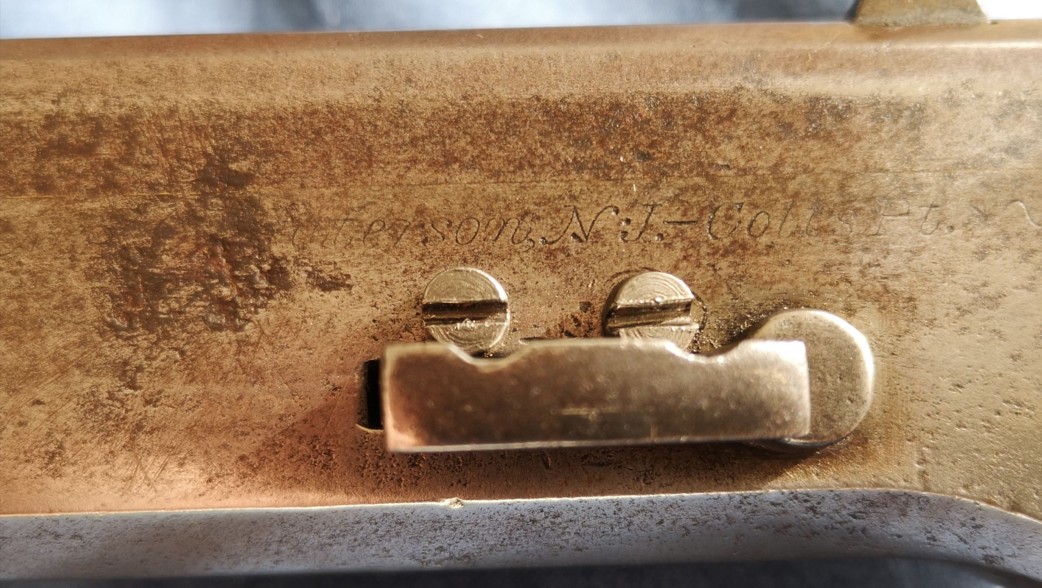
correct, as well as the cursive marking "Paterson N-J Colt..." above the key.
These guns are called "Paterson" because they were
produced in Colt's first factory, located on the banks of the Passaic River in
the small town of Paterson, New Jersey, a stone's throw from New York City. The
factory existed from 1836/37 to 1842, and produced revolvers, rifles and
shotguns. I don't know what it is today, but the buildings are still visible in
photos from the early 1950s.
There are two models of rifles, the first is the "Ring
Lever" series equipped with a ring lever in front of the trigger guard, which
was used to turn the cylinder and cock the internal hammer.
Available calibers: .34 .36 .38 .40 and .44. Shotgun in
"62 bore", which corresponds roughly to 20 gauge.
Standard 8-shot cylinders rotating clockwise, a few
examples known with 10 shots, only ONE Liège copy known in the USA, luxury
version, signed Jules Lamarche, also with 10 shots.
Remarkably deep rifling, first with 11 grooves on the
right and later 7, imprinting the bullet 1 turn in 100 inches.
It was necessary to disassemble the barrel and cylinder
of the first examples for loading, and there was no escape groove for capsule
debris in the shield. Colt quickly remedied the problem by rounding the rear
edge of the cylinder and adding a groove in the shield and a notch for
installing the capsules, and still a second mortise behind that of the key for
the separate loading tool, thus allowing loading without disassembly.
Production: about 900 carbines and rifles, 300 of which
were sold to the army, which used them successfully in the 1838 war against the
Seminoles and promised a new purchase of 500 rifles.
The second model (the one we are interested in) is always
a 6-shot, SMOOTH-bore barrel (except for a few examples) and ALWAYS in .525
caliber. Same mechanism as the revolvers, with visible hammer and cylinder
rotating against the clock, single action of course.
The first ones have a separate rammer, but from 1840 they
were all equipped with a fixed rammer.
Markings (in beautiful English): "Patent Arms M'g Co,
Paterson N-J, Colt's Pt" usually on the right side of the console, above the
key, a few examples known with the marking on the left side (reason unknown).
Serial number below the key, preceded by the indication "No".
Also +/- 950 ex manufactured, but only 200 delivered to
the army before the bankruptcy of the company in 1842.
The New York gunsmith John Ehlers bought all the assets
of the company and the stock of weapons. He finished the unfinished weapons and
provided them all with a fixed rammer - which classifies the revolvers as "2nd
model Ehlers" etc - completed the order of the army and sold everything until
1845.
Rare weapons in any case, with rarely still traces of the
original finish, and many small variants of finish, especially in the Ring
Levers (stock camber, choice of wood, engravings etc).
The name Paterson was given by collectors to the weapons
manufactured in this factory, the official name was the Patent Arms
Manufacturing Co.
Marcel